
Raised beds are one of the easiest ways to grow food in a small yard. The soil warms up earlier in spring, drains better, and you are not fighting the compacted clay or weeds in the ground below. They are also kinder to your back.
In this post
Winter is the best time to plan them. You have time to pick a spot, choose materials and buy soil before the spring rush. Here are 18 raised garden bed ideas, from simple wooden boxes to clever layouts for tiny spaces, plus a quick way to work out how much soil you will need.

Before you build: size and placement
1. Keep beds 4 feet wide or less
A width of about 4 feet lets most people reach the middle from either side without stepping on the soil. Against a fence or wall, where you can only reach from one side, keep it nearer 2 to 3 feet.
2. Choose the sunniest spot you have
Most vegetables, especially tomatoes, peppers and squash, need at least 6 to 8 hours of direct sun. Watch your yard for a day before you build. Leafy greens and herbs cope with a bit less.
3. Go 10 to 12 inches deep for most crops
Ten to twelve inches of good soil works for most vegetables, especially if the bed sits on loosened ground. Deeper beds (18 to 24 inches) are easier on your back and better for root crops, but they need much more soil.
4. Leave paths wide enough for a wheelbarrow
Paths of about 2 feet between beds give you room to kneel and move a wheelbarrow. Cover them with wood chips, gravel or cardboard topped with mulch to keep weeds down.
Materials for raised garden beds
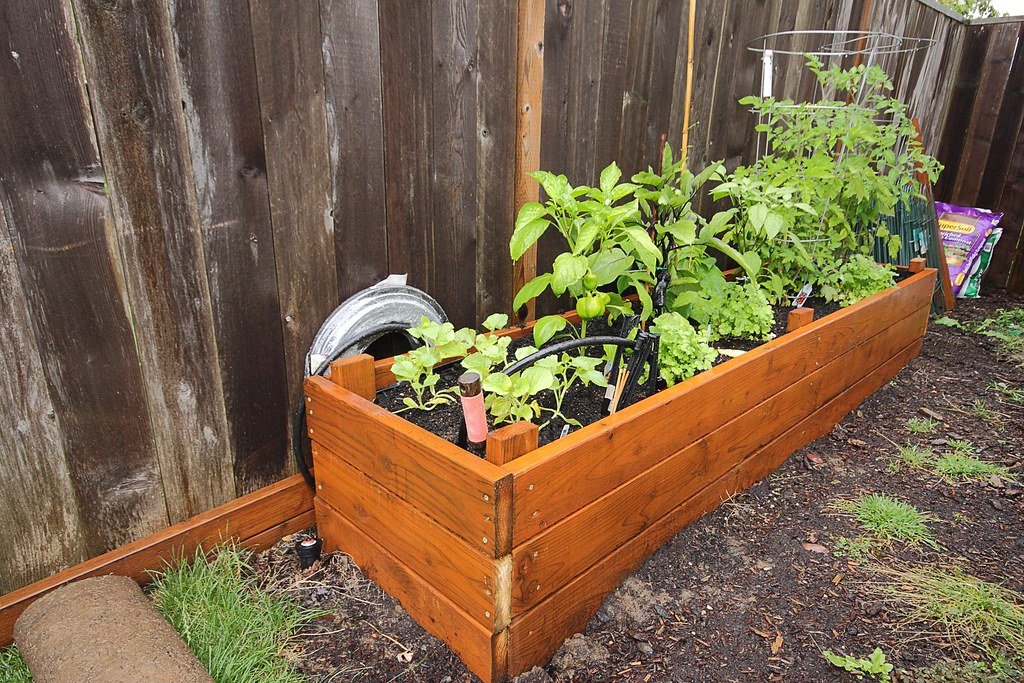
5. Classic cedar boxes
Cedar is naturally rot-resistant and looks good for years. It costs more than pine, but it usually lasts much longer in wet soil.
$80–$250 for a 4 × 8 ft bed
6. Budget pine or douglas fir
Untreated pine is cheap and easy to find. Expect it to last a few seasons before it starts to rot. Many gardeners use it to get started and replace it later.
$40–$100 for a 4 × 8 ft bed
7. A note on pressure-treated wood
Pressure-treated lumber sold for home use in the US has not used arsenic-based CCA since the early 2000s, and many extension services consider modern treated wood acceptable for garden beds. Some gardeners still prefer to avoid it or line the inside. Avoid old railroad ties, which are treated with creosote.
8. Galvanized metal beds
Metal raised beds are long-lasting, modern-looking and often sold as kits. They heat up in strong sun, which can be a plus in cool climates. Look for rolled edges so there are no sharp rims.
$60–$200 per kit
9. Stone, brick or concrete block
Stacked stone or blocks make a permanent bed that will outlast you. Concrete blocks also have holes you can plant herbs or flowers in.
$100–$300+
10. Log or branch edging for a natural look
If you have fallen logs or branches, they make a free, rustic edge for a low bed. They break down over time and add organic matter as they go.
Free–$30
Layout ideas for small spaces
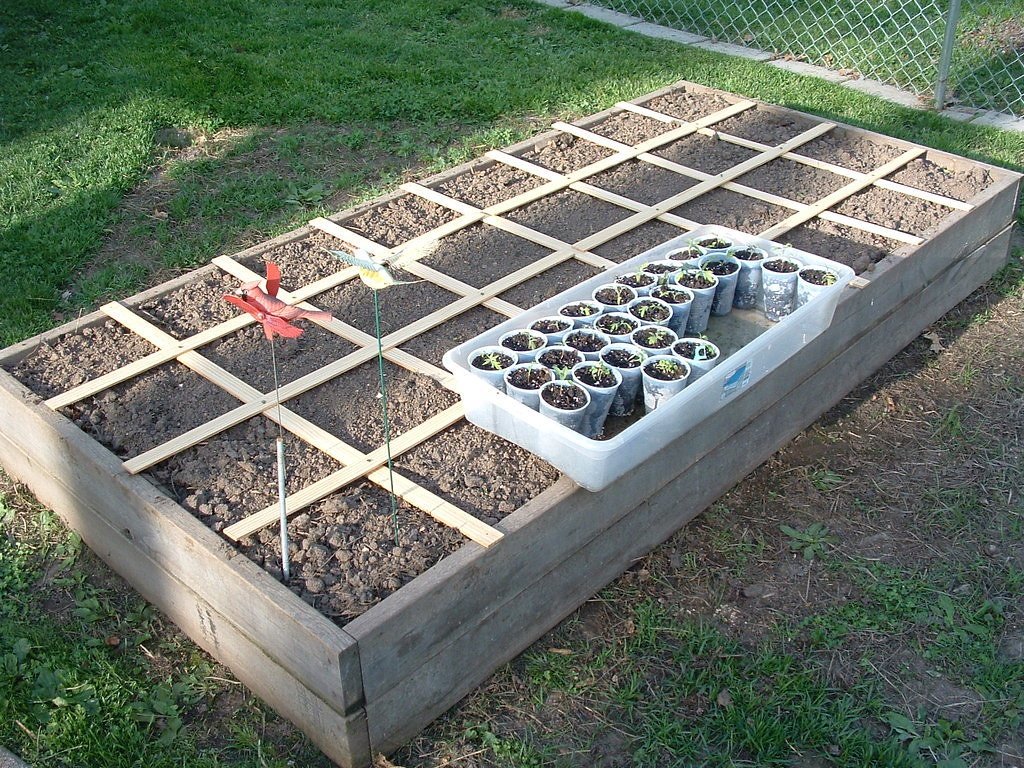
11. Plant in a square foot grid
Divide the bed into 1-foot squares with string or thin wood strips. Each square gets one type of plant: one tomato, four lettuces, nine bush beans or sixteen carrots, for example. It keeps things tidy and makes small beds very productive.
12. Run a long bed along a fence
A narrow bed along a sunny fence uses space that would otherwise be lawn or weeds, and the fence can support climbing beans or cucumbers.
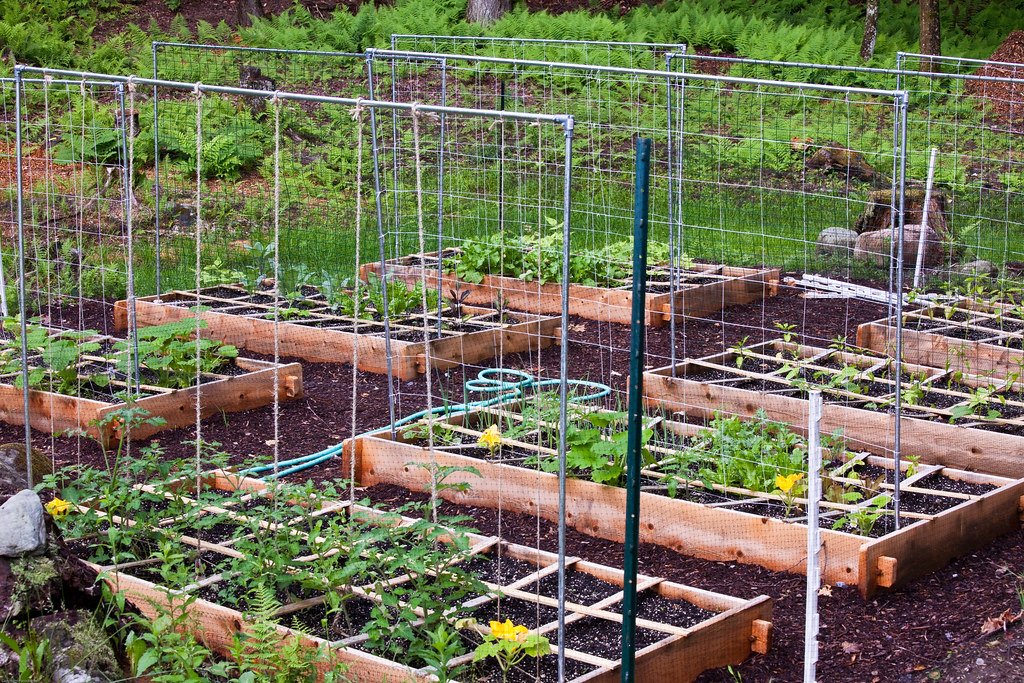
13. Add a trellis to grow up, not out
A simple trellis on the north side of the bed (so it does not shade other plants) lets peas, beans, cucumbers and small squash climb. A cattle panel bent into an arch between two beds makes a dramatic, sturdy tunnel.
$20–$80
14. Try an L-shape or U-shape
An L- or U-shaped bed fits neatly into a corner and gives you lots of growing edge while keeping every spot within reach.
15. Use a raised planter on legs for patios
Elevated planters on legs work on decks and patios, and they are the easiest option if kneeling is hard. They dry out faster, so check them often in summer.
$80–$250
Filling and planting your beds
16. Use a good soil mix
A common mix is roughly 60% screened topsoil and 40% compost, though bagged raised bed mixes work too. Avoid filling beds with plain bagged potting mix alone, which can be expensive and dry out fast in large beds.
17. Work out your soil before you shop
Soil is usually the biggest cost. A 4 × 8 ft bed filled 12 inches deep needs about 32 cubic feet of soil, which is roughly 1.2 cubic yards, or around 22 bags of 1.5 cubic feet. Our raised bed soil calculator does the math for any size and tells you how many bags to buy.
18. Mulch and add drip irrigation
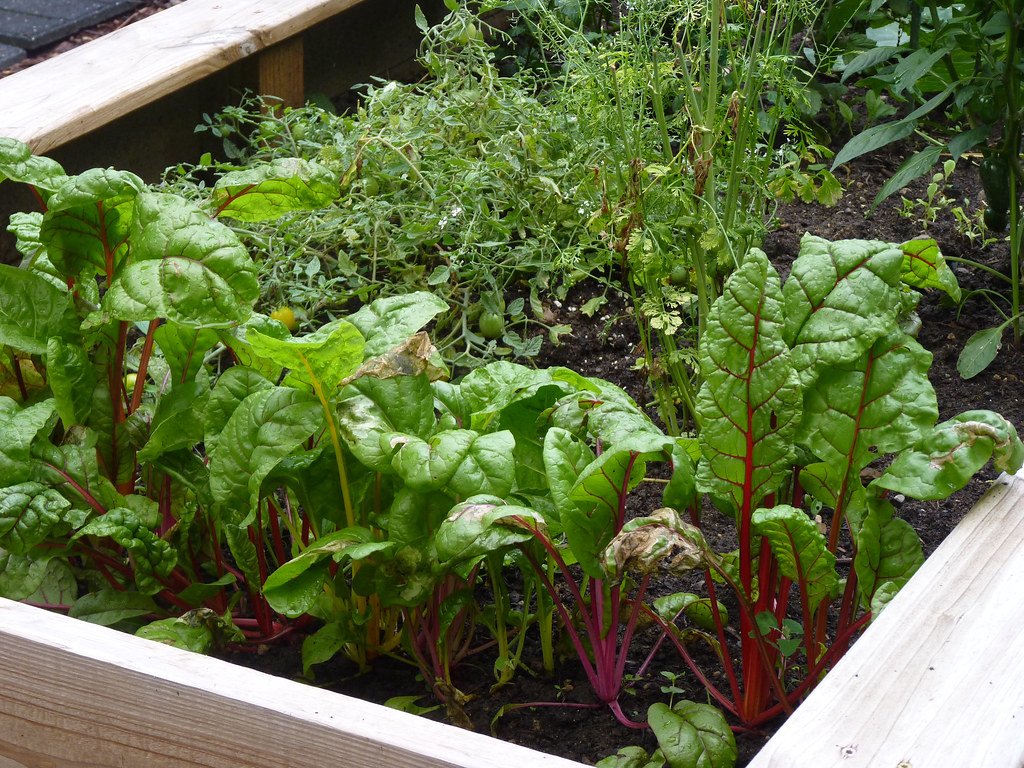
A couple of inches of straw or shredded leaves on top keeps soil moist and weeds down. A soaker hose or simple drip line on a timer saves a lot of summer watering.
$30–$80
Quick tips
- Lay cardboard under the bed to smother grass before you fill it.
- Add an inch or two of compost every spring as the soil settles.
- Line the bottom with hardware cloth if gophers or moles are a problem.
- Planning to dig into the ground? Call 811 first to have buried lines marked.
Frequently asked questions
What is the best size for a raised garden bed?
A 4 × 8 ft bed is the most popular size: it fits standard lumber lengths and lets you reach the middle from both sides. Smaller beds like 3 × 6 ft work well in tight yards.
How deep should a raised garden bed be?
About 10 to 12 inches is enough for most vegetables if the ground below is loosened. Choose 18 to 24 inches for root crops, poor ground or easier access.
How much soil do I need for a 4 × 8 raised bed?
At 12 inches deep, a 4 × 8 ft bed needs about 32 cubic feet (around 1.2 cubic yards) of soil. Use the raised bed soil calculator for other sizes.
What should I put in the bottom of a raised bed?
Cardboard is enough on lawn or weedy ground. Add hardware cloth if burrowing animals are a problem. Rocks or gravel in the bottom are not needed and can actually slow drainage.
More garden ideas
Prices are rough US ranges at the time of writing and will vary by store and region.
1 comment